It is here! The online course on Monarch Butterflies is available now.  When your child completes this course they will be an expert on Monarch Butterflies! I will teach them how to grow a butterfly garden, how to find monarch eggs on the milkweed, everything about their peculiar and strange lifecycle, and the wonder of this incredible migration we get to witness right now! Click on the link below to see an outline of this course. Lots of fun videos and teaching tools and many hours of labor and love have gone into this project.
Today was so special. I just came home from the grocery store and noticed two Gulf Fritillaries in the butterfly garden. Lo and behold they were laying eggs on the passion vine. Glory! The plants out there are new this year so I didn't think they would come. All my butterfly friends on FB are reporting all kinds of cool caterpillars on their vines and mine had none so I thought they had passed me by.
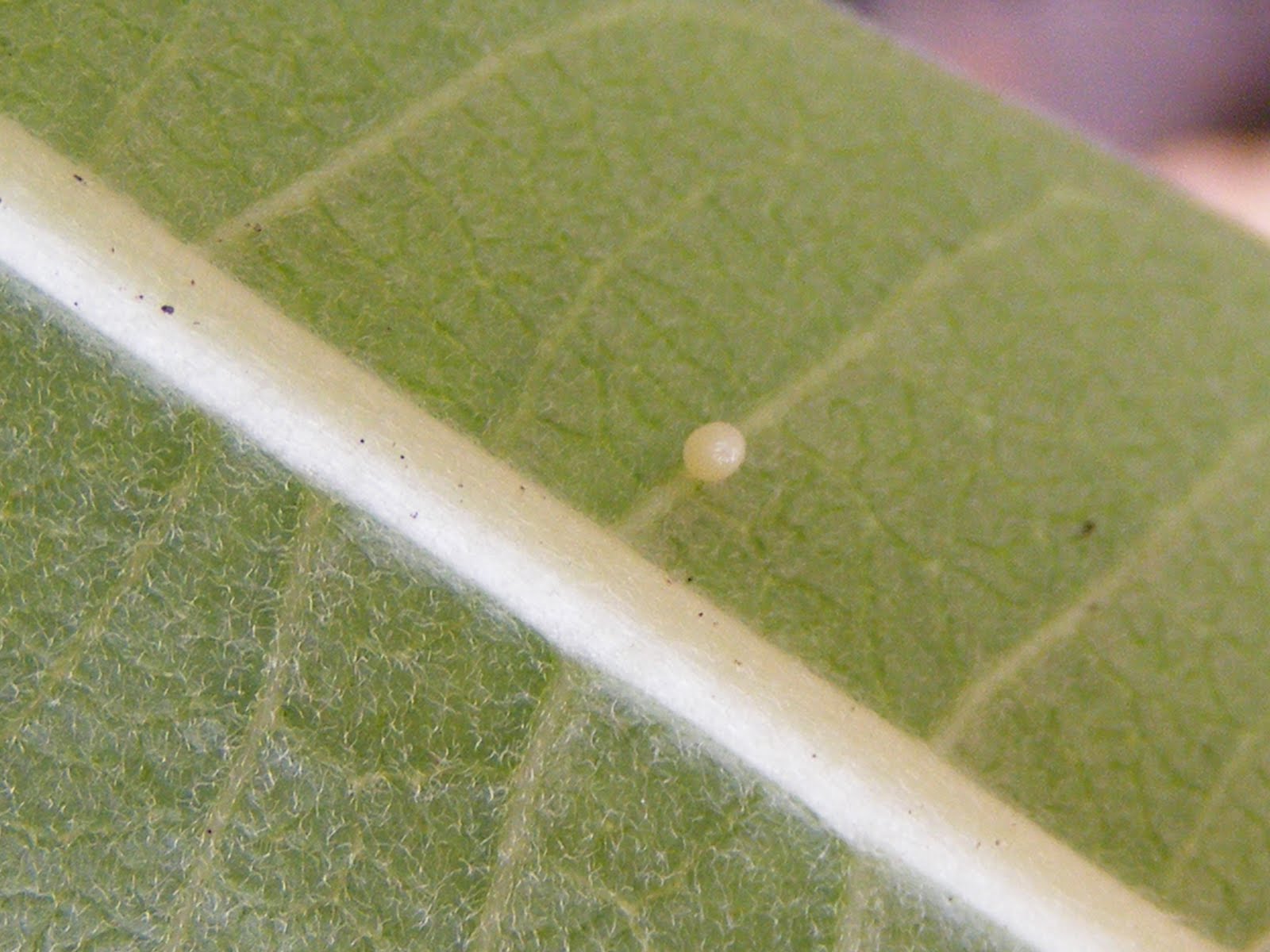
Then the magical moment came and I just happened to be there when they were laying the eggs. This egg was delivered by the butterfly less than an hour before I got this picture.
So tomorrow before hurricane Florence makes its way to our area I am going to go out there and pick off as many eggs as I can find.
September is Butterfly month in the Explore Lab. I'm always on "pins and needles" trying to decide when to schedule the lab. It seems the butterflies never consult with me as to when they will be stopping by. I have to schedule the lab months in advance and it can get kind of tricky trying to figure out when they are coming through our area. Fortunately, this year, I was only a week late. There were still plenty of butterflies and caterpillars but a week earlier would have been even better. I think the butterflies just like to make sureI understand that I am not the boss of them! They make the rules...
Gulf Fritillary or Passion Butterfly, Agraulis vanillae were especially prolific this year.
Gulf Fritillary egg taken at 60X
compound eyes and proboscis taken with the Scope on a Rope from Furman University.
We found out the differences between butterflies and moths with a Venn Diagram.
Polyphemus Moth (Antheraea polyphemus)
moth antennae
Monarch butterfly (Danaus plexippus) We watched this amazing monarch caterpillar emerge from its egg!
We learned that butterfly wings are made up of thousands of tiny scales.
This a picture of a caterpillar's "prolegs". Prolegs are the ten soft padded legs at the back of the caterpillar. I just can't understand why some people don't love bugs!
Students had a great time this month as we engaged in the study of Butterflies and Moths. This year we had a great turn out of butterflies. Some years in the past have not been so good. The Gulf Fritillaries were exceptionally active and prolific this year. You never know who is going to show up when you plan a butterfly lab. Here is a beautiful picture of a proboscis on a Gulf Fritillary that we took with the microscope . You can also see its compound eye. More microscope pics. Of course all scientists need a few diversions... Like holding a lizard, or a hedgehog, playing with the microscope, and holding Sammy and Bugsy!
I've been wondering weather or not the Monarchs are back from up north and laying eggs in the butterfly garden. Sunday 8-29 I went out to have a look. It seems that there is something special about Sunday afternoons in the garden. Many times I have spotted butterflies laying eggs out there on a quiet Sunday afternoon. The best time appears to be around 3pm. It has to be sunny or they won't come. Butterflies don't like cloudy days.This Sunday I was presented with a special treat. A big female monarch butterfly was fluttering right in front of me delicately laying eggs one by one on the milkweed. Please turn the volume off on your computer. The air conditioner was blowing and made quite a racket.
You can see the difference between male and female by the spots on their hind wings. Butterflies have four wings and the males have a black spot on each of their hind wings.Here are four plants you have to have in your butterfly garden.
Lantana:Lantana are nectar plants for the butterflies. That means that butterflies need them for food. I like really tall growing varieties because the butterflies prefer them. Butterflies get stressed when they fly too low to the ground. Perhaps they are concerned that children with butterfly nets will catch them! You can also find the low growing varieties of Lantana and hang them high in a hanging basket to attract the bashful butterflies.
The next plant you really need in your butterfly garden is the butterfly bush. They come in lots of colors. When the branch is finished blooming be sure to pinch off the dead flower and you will see lots more blooms. The butterfly bush is a nectar plant also.
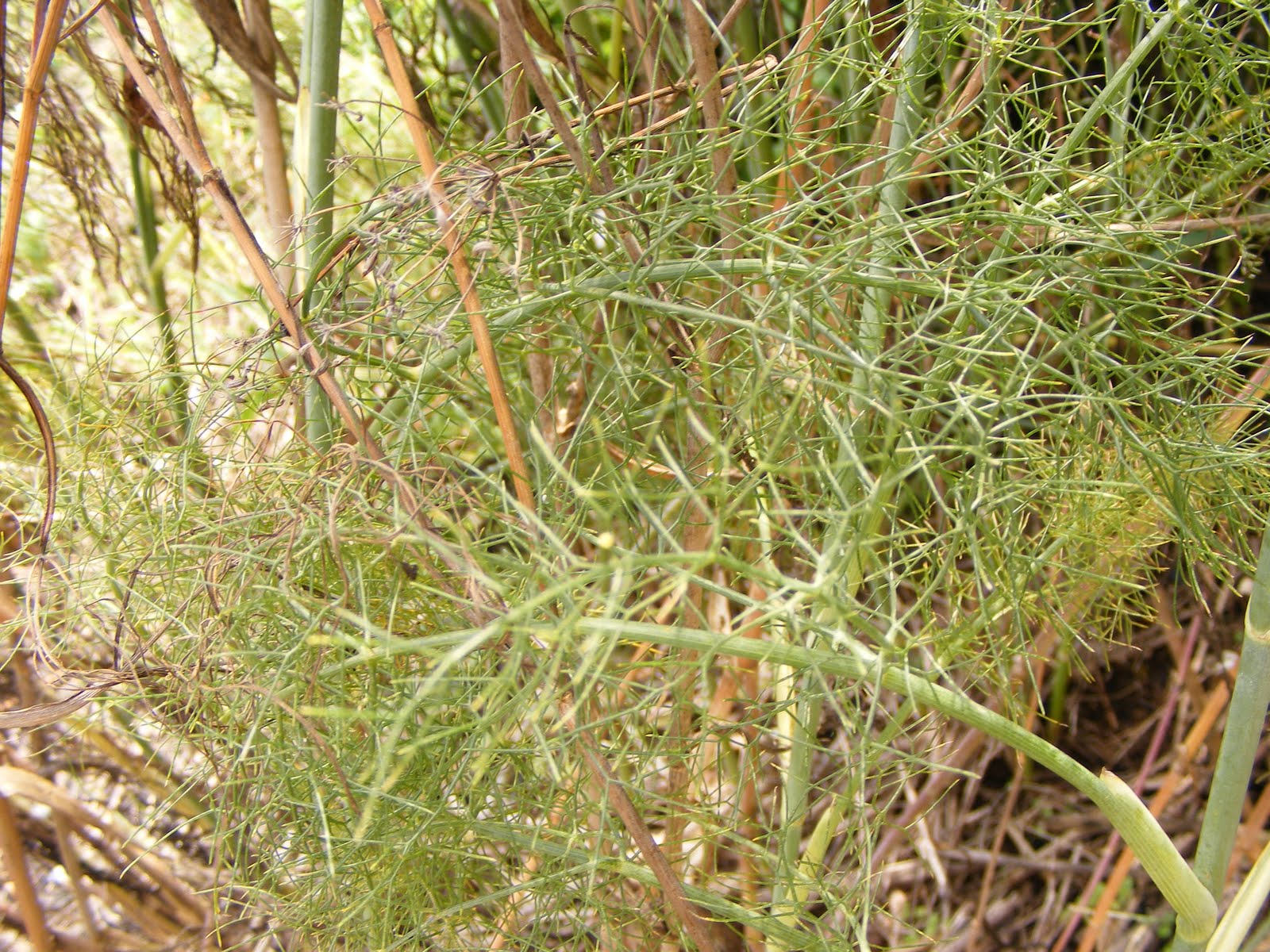
If you want to get monarchs you really need some milkweed. Butterflies won't eat anything else; kind of like the children who ONLY eat macaroni and cheese... Milkweed are both nectar and host (butterflies lay their eggs on the leaves) plants for the monarchs. Finally, I wouldn't have a garden without fennel.Around here in South Carolina the Eastern Black Swallowtail butterflies go absolutely hysterical for this plant. They sip the nectar and they lay eggs on the leaves (host and nectar plant). Take a look at the pictures I took yesterday of the Eastern Black Swallowtail egg I found on the fennel. I'm so glad I made it out to the garden Sunday.
Life is full of surprises and gifts to be grateful for :)
Have you ever wondered where the monarchs are?Have you lost sleep over this? If so, the map below may help you.
This map shows where the Monarchs have been spotted this week of April 2010. Ok, I know you're not all like me but if you are even remotely interested, Click Here to follow their journey north. I've been looking around and haven't spotted any yet and the milkweed in our Butterfly Garden still looks uneaten. Let me know if you see one. I see a few dots in South Carolina. They must be around here somewhere but they are hiding from me! If you would like to participate with the University of Georgia's Project Monarch Health click here.
Here is some news from their recent newsletter: Due to the severe weather at the overwintering sites in Mexico this winter, and the smaller than average monarch numbers prior to these events, the eastern North American monarch population is reported to be smaller than ever. Over the course of this MonarchHealth sampling season, we hope to gain insight into how well the population will rebound and what effect OE will have on this potentially smaller 2010 population. More specifically, will the infection rate increase or continue to decline? 2010 Data Collection. The 2010 sampling season is about to arrive! Remember, we need your help to continue sampling each year. Now is the time to order your 2010 MonarchHealth sampling kit! Write to us at monarch@uga.edu Long-distance migration shapes butterfly wings A recent by Dr. Sonia Altizer and Andy Davis examined the morphological differences between wings of monarchs from migratory and non-migratory populations. Their findings indicate that monarchs that migrate large distances have larger bodies and more elongated wings that are better suited for traveling long distances. Non-migratory monarchs have wings up to 20% smaller. Click Here to learn more about Monarchs.