Showing posts with label Plant Lab. Show all posts

Thursday, September 5, 2013

To Eat or Not to Eat...

What is this eager young student doing with wet sloppy newspaper?  Why, creating a habitat for mycelium of course!


In lab we learned that fungi like it wet and they like it dark.  Wet shredded newspaper in an egg crate or other container is the perfect place for the hyphae to grow, colonize, and fruit.


Here is an example of a fungi that is starting to grow its stalk.  It took about 3 weeks before the hyphae colonized the container and decided to create the mushroom.


Look at these gorgeous mushrooms that popped up OVERNIGHT!
Photo    
The type of mycelium I purchased was from the Oyster mushroom.  I found them to be quite tasty.  Even our local grocery store sells them.  One student is now a confirmed (by his mother) mushroom eater.

Here is a photograph of a Deadly AmanitaFile:Amanita verna-02.jpg

These are pictures of a mushroom that I found growing in our goat pen.  To me it resembles the amanita but I didn't taste it to find out.  :)


See the "warts" on the top of this mushroom's cap?  That is a marker for a possibly deadly mushroom. Strike one.   Good thing our goats didn't take a bite out of this one.  On second thought, we did lose a beautiful little buck named Red Cloud II for no known cause.  Perhaps he chomped into one of these beauties...


See the ring around the stalk?  That's another possible indicator for a deadly mushroom.  Strike two.


Strike three.  The base of the stalk tends to be bulbous for deadly mushrooms.  Maybe I have a "winner" here.  Perhaps I should contact SCUM to find out for sure.  They are our local group of South Carolina Upstate Mycologists.    And by the way, I did wash my hands after handling this gorgeous mushroom.


This is my son Nathan sitting inside a ring of the same mushrooms I found in the goat pen.  If anyone can help me identify them, please let me know.

Sunday, September 4, 2011

Boogie Woogie in the Woods

Recently, we visited the Cove Falls at the Historic Oconee Heritage Station with the Clemson University Master Naturalist Program. Beyond the park’s historic significance, there’s a fishing pond and 1.5-mile nature trail, the latter connecting to a half-mile trail that leads into Sumter National Forest and ends at Station Cove Falls, a 60-foot waterfall that’s considered one of the prettiest in the state. We hiked up to the falls to learn about the spray cliff wildlife community that is unique to that area. The instructors and park rangers exposed us to lots of interesting insects, fish, and plants.

Boogie Woogie Aphid

Boogie Woogie Aphid by Dr. James H. Blake

The Beech Blight Aphid a.k.a. the Boogie Woogie Aphid (Grylloprociphilus imbricator) prefers American beech.
Nymphs of the blight aphid exude white, waxy filaments, and the aphid forms large colonies that first appear
on twigs and branches, then on leaves. The blight aphids wiggle their abdomens in unison when disturbed,
giving rise to the unapproved common name "boogie-woogie aphid." I saw two different trees that had patches of bark covered with these varmints. It looked like the branch was churning in snow!

Strawberry Bush (Euonymus americanus)

The common names, which include American strawberry-bush, hearts-a-bustin', and bursting heart, refer to the odd red fruits that burst open in late fall.

Rattlesnake plantain Goodyera pubescens We found this terrestrial orchid somewhat near the beginning of the path.

Pileated_Woodpecker According to Dan, one of our naturalist helpers, these birds spot humans in their area before any human will ever spot them. Their loud call is an announcement that they know we are in their territory and they don't like it! You won't have to find them, they will find you. Click here to hear their amazing call.Nearly as large as a crow, the Pileated Woodpecker is the largest woodpecker in most of North America. Its loud ringing calls and huge, rectangular excavations in dead trees announce its presence in forests across the continent.

Liverworts: Marchantiophyta are a division of bryophyte plantsYou will find these one-celled plants clinging to the rocks near the falls.

Bloodroot: Sanguinaria canadensisThe roots of this plant are red when broken open. Indians used it to dye their baskets red and it was used as a folk remedy to cure cancer. The roots of this plant are highly toxic and if applied to the skin will cause severe protein degeneration. If ingested it will cause death.

We saw a lot more interesting plants like foam flowers, jack-in-the-pulpits and others. This is a fantastic hike and not too strenuous. I hope to go back in March to hear the sounds of the American toads,Bufo americanus, during their two week mating period.

Hope you can join me!

Monday, August 30, 2010

Sunday Surprise

I've been wondering weather or not the Monarchs are back from up north and laying eggs in the butterfly garden. Sunday 8-29 I went out to have a look. It seems that there is something special about Sunday afternoons in the garden. Many times I have spotted butterflies laying eggs out there on a quiet Sunday afternoon. The best time appears to be around 3pm. It has to be sunny or they won't come. Butterflies don't like cloudy days.This Sunday I was presented with a special treat. A big female monarch butterfly was fluttering right in front of me delicately laying eggs one by one on the milkweed. Please turn the volume off on your computer. The air conditioner was blowing and made quite a racket.

You can see the difference between male and female by the spots on their hind wings. Butterflies have four wings and the males have a black spot on each of their hind wings.Here are four plants you have to have in your butterfly garden.

Lantana:Lantana are nectar plants for the butterflies. That means that butterflies need them for food. I like really tall growing varieties because the butterflies prefer them. Butterflies get stressed when they fly too low to the ground. Perhaps they are concerned that children with butterfly nets will catch them! You can also find the low growing varieties of Lantana and hang them high in a hanging basket to attract the bashful butterflies.

The next plant you really need in your butterfly garden is the butterfly bush. They come in lots of colors. When the branch is finished blooming be sure to pinch off the dead flower and you will see lots more blooms. The butterfly bush is a nectar plant also.

If you want to get monarchs you really need some milkweed. Butterflies won't eat anything else; kind of like the children who ONLY eat macaroni and cheese... Milkweed are both nectar and host (butterflies lay their eggs on the leaves) plants for the monarchs.
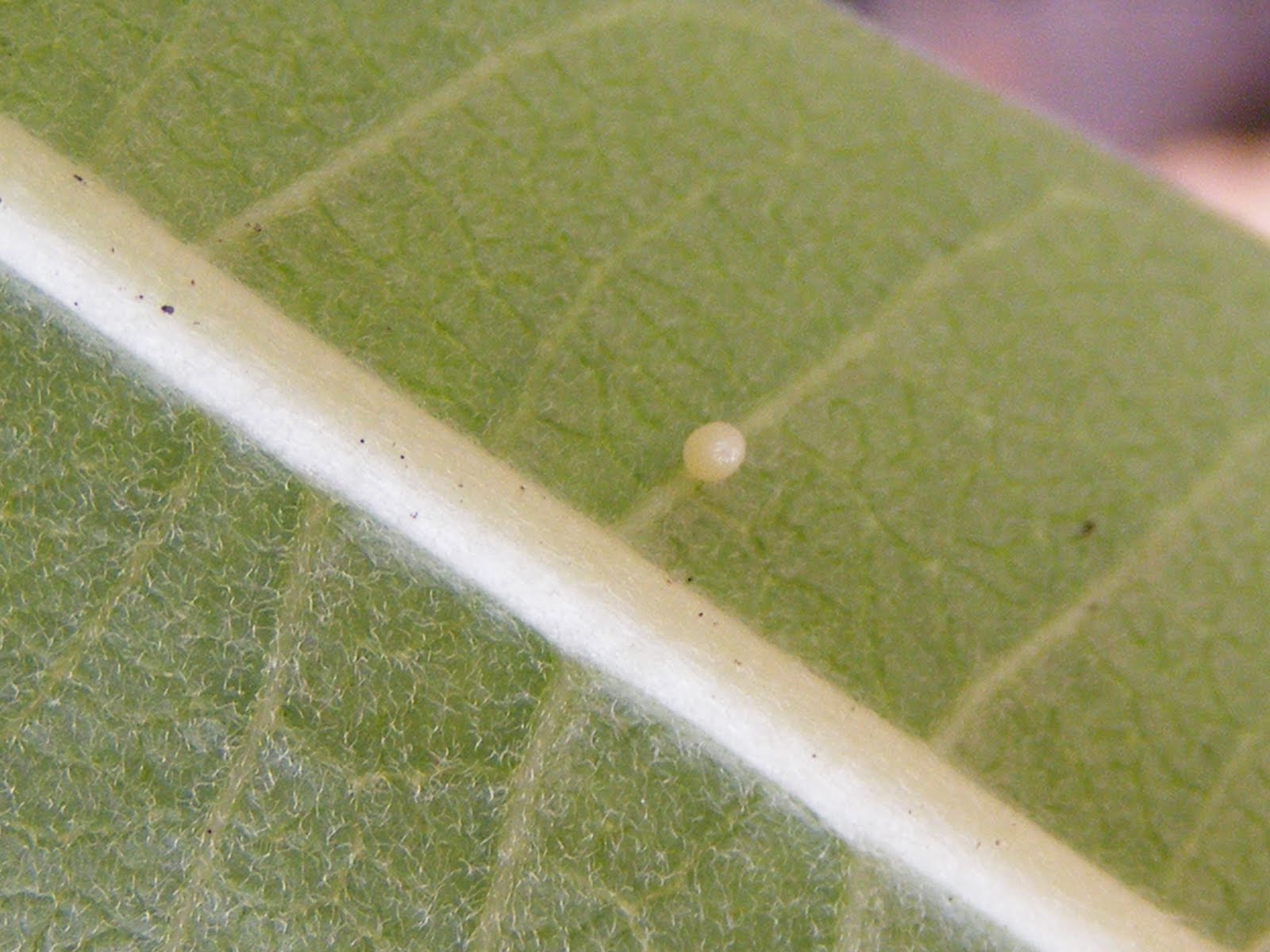
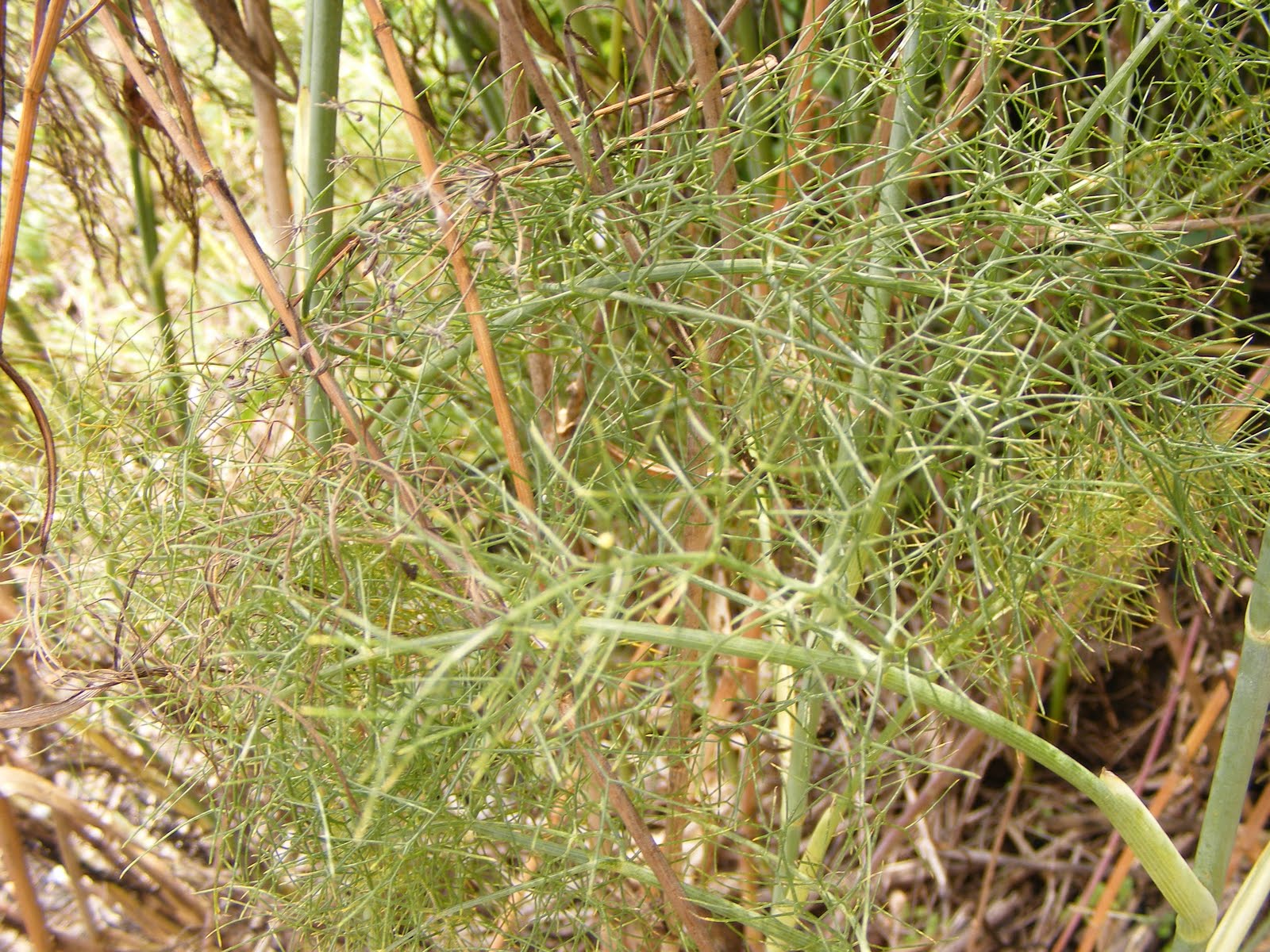
Finally, I wouldn't have a garden without fennel.Around here in South Carolina the Eastern Black Swallowtail butterflies go absolutely hysterical for this plant. They sip the nectar and they lay eggs on the leaves (host and nectar plant). Take a look at the pictures I took yesterday of the Eastern Black Swallowtail egg I found on the fennel. I'm so glad I made it out to the garden Sunday.

Life is full of surprises and gifts to be grateful for :)

Sunday, October 25, 2009

Plant Lab Video

In September we studied plants. We made mini-worm composters, picked flowers apart and identified their parts under the microscope, started leaf cuttings, and did a few other things totally unrelated to plants but were fun nonetheless!

Thursday, October 8, 2009

Who Said Worms Aren't Cool ???


Only adults think worms are weird. Kids love them. In our Plant Science Lab this past September students built miniature worm composting bins. First, we spray painted these handy little plastic containers black because worms like to live in dark places. We learned that worms have no eyes yet they can sense light and move away from it. We also drilled small holes all over them for good air circulation. Next, we made a nice environment for them by layering the mini-composter with paper shavings and peat moss. We sprayed them with water to make them moist. Some of the children had trouble grasping the fact that worms are not fish..... fish Pictures, Images and Photos and will drown if they are under water... Worms after all have no lungs and breathe through their skin...Here is a picture of a worm cocoon that we took under the microscope. Some students are already reporting seeing cocoons in their mini composter. Generally, there are about 5-7 small worms in a cocoon. http://samismom22.files.wordpress.com/2009/09/loads_of_worms.jpg Worms are hermaphrodites, both male and female. They form cocoons on their clitellum and both worms can produce cocoons after mating. The worms I gave the students are composting worms. They can eat 1/2 their weight in food each day. They produce castings https://blogger.googleusercontent.com/img/b/R29vZ2xl/AVvXsEhFW0S3eU9MIBzIzjO5_qGIWh9fAL_rX5D0RMx-LJwR64V8M-FGNOGEnujwUm8CHpV80H457r_fI9Q4BxGjXDM-RDS7rnWkWZa1CbSAl9hkSZUGga4iWhL41xPauaUOfxzU5zrm4Bfn1QE/s400/worm-castings.JPG that plants love. Worms are the best fertilizer for plants and they also help the plant by burrowing tunnels under ground for their roots to follow. Here is a project we plan to execute in our raised beds. We are going to build a worm tower.

First, get a plastic pipe like this from your local hardware store. I bought mine at Lowes for $19.00.


Cut it in sections about 4 feet long.
Find a good drill.
Get an attachment that makes holes about 1 1/2 inches wide. Blast away!

Watch this video to see how it is done.